About Us
Discover how we advance the business voice at the OECD through a clear institutional mandate, robust governance, and a diverse global network.

About Us
The OECD
The OECD
Explore how the OECD shapes market-based economies through its standards, recommendations and analysis that matter to the private sector.
About the OECD
Explore the OECD’s role and features
Why the OECD Matters
Find out how the OECD impacts business
OECD Enlargement
Discover the OECD Accession process
.jpg?width=4554&height=3138&name=2019%20OECD%20Forum%20(1).jpg)
Learn more about the OECD
See morePolicy Areas
Advocacy
Advocacy
Explore how we bring business priorities to the table in our engagement with Governments, the OECD, and the G7, and the G20.
Engagement with Ministers
How we engage with Government Ministers
Consultation with the OECD's Council
How we advise the OECD's Leadership and Ambassadors
Role in the OECD's Bodies
How we contribute to the OECD's Committees and Working Parties
Advice to the G7 and G20
How we support the B7 and B20
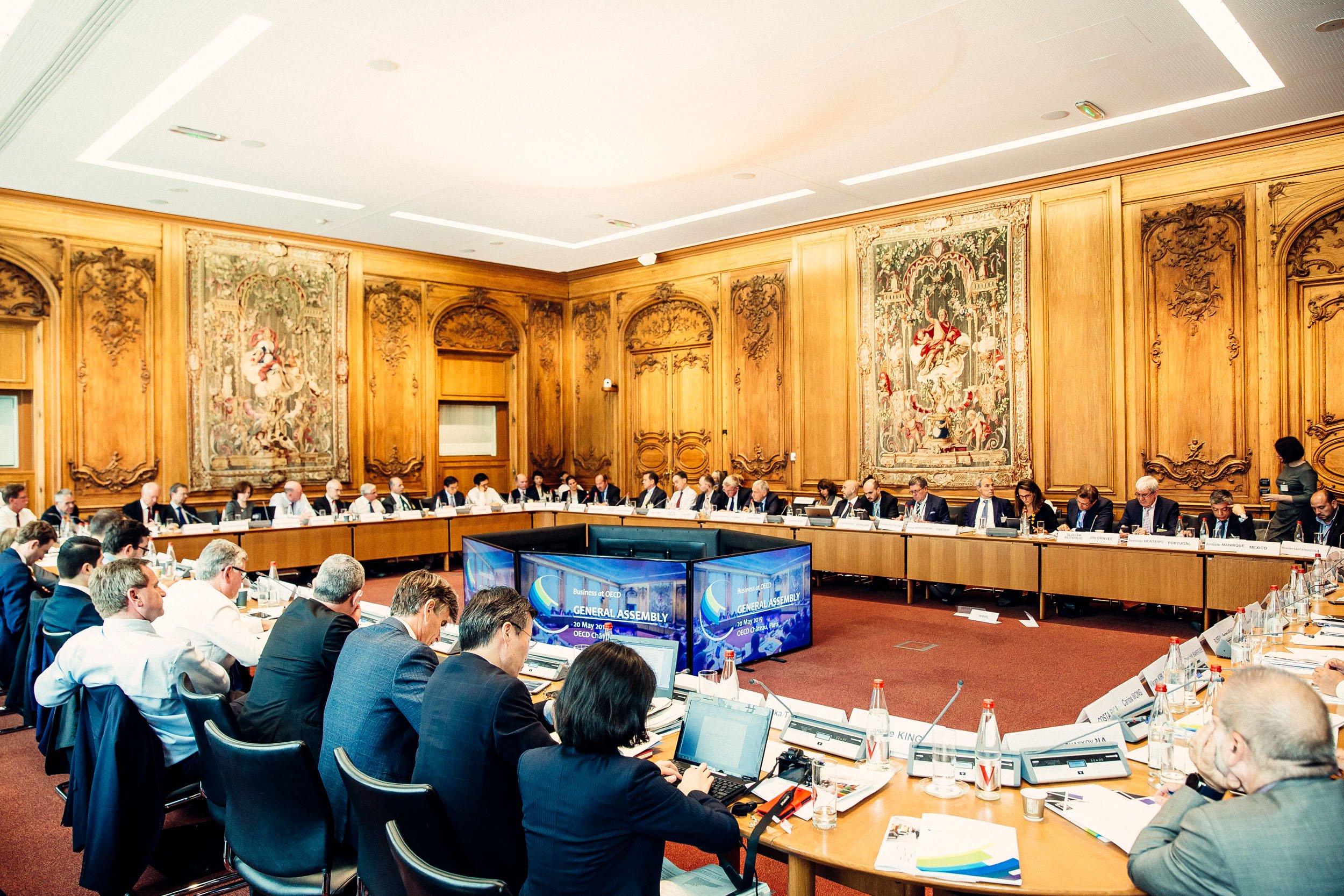
Stay tuned on our upcoming advocacy through our major events programme
Register hereNewsroom

Published on 10/12/2025
Updated on 23/01/2026
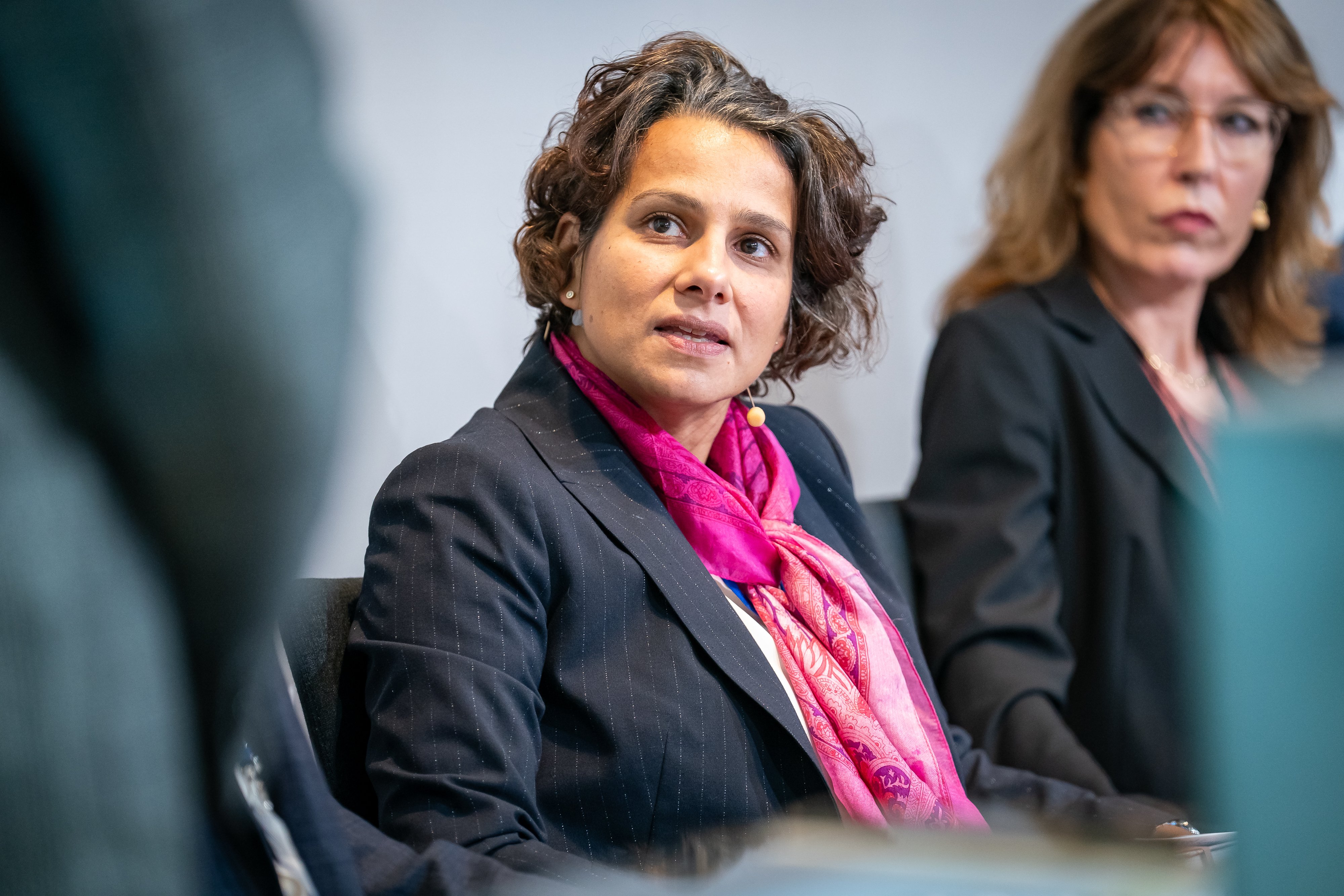
On the occasion of International Anti-Corruption Day on 9 December, Business at OECD co-organised the 2025 Berlin Business Integrity and Anti-Corruption Conference with the Federation of German Industries (BDI) and the German Institute for Compliance (DICO). This event brought together leading experts, policymakers, and representatives from the private sector and academia to discuss current trends, challenges, and opportunities in promoting integrity and transparency.
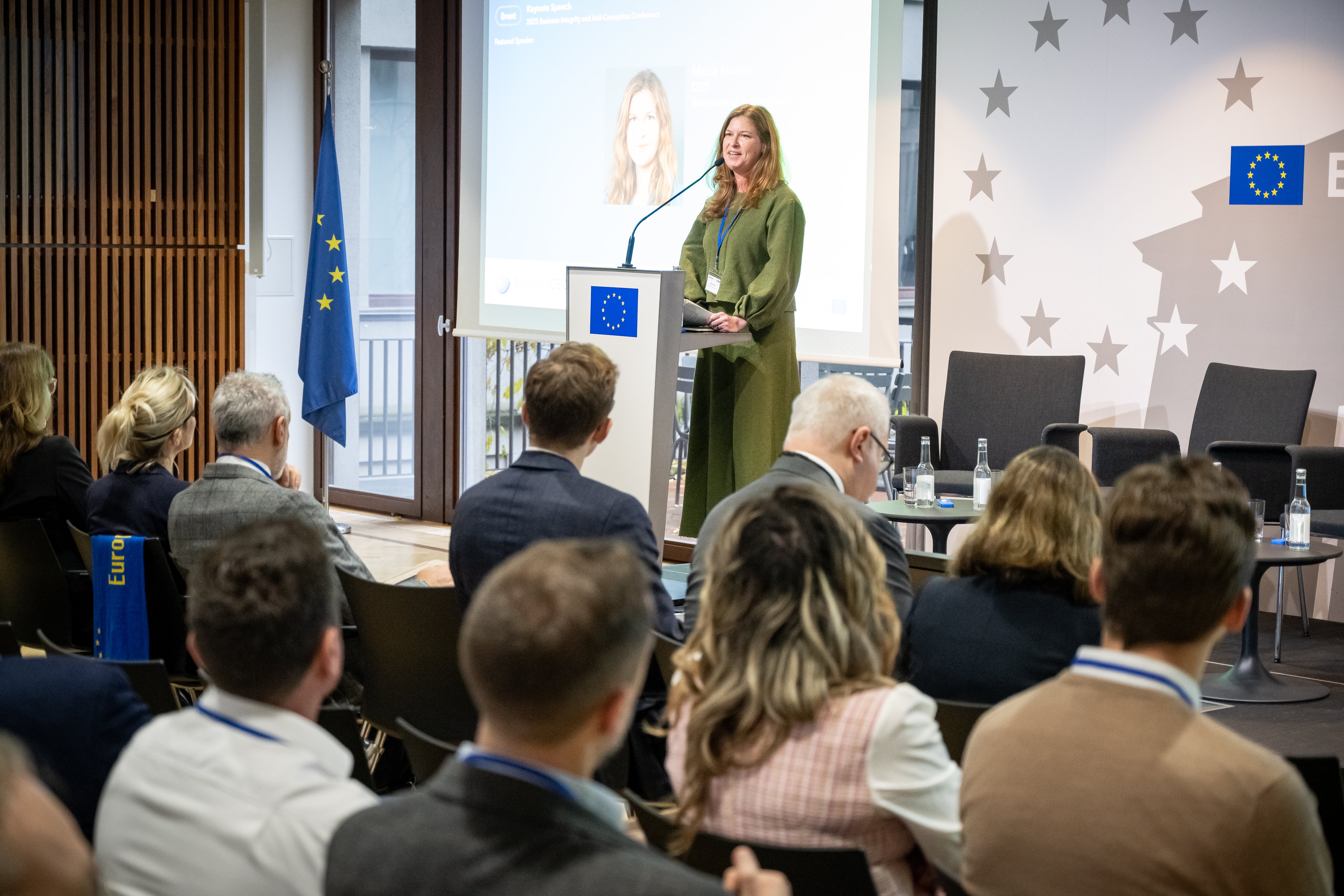
Transparency International’s CEO Maíra Martini kicked off the discussions with a powerful keynote speech underlining the urgency and importance of bringing together business, the public sector, and civil society in the fight against corruption. This was followed by three panel discussions which examined global integrity trends in an era of geopolitical pressure, the role of regulatory simplification in improving integrity outcomes, and the transformative potential of AI and digital tools for preventing, detecting, and responding to corruption. These panels featured several business speakers, including from Rolls-Royce, Siemens Energy, Deutsche Telekom, Siemens, BDO, and Oracle.
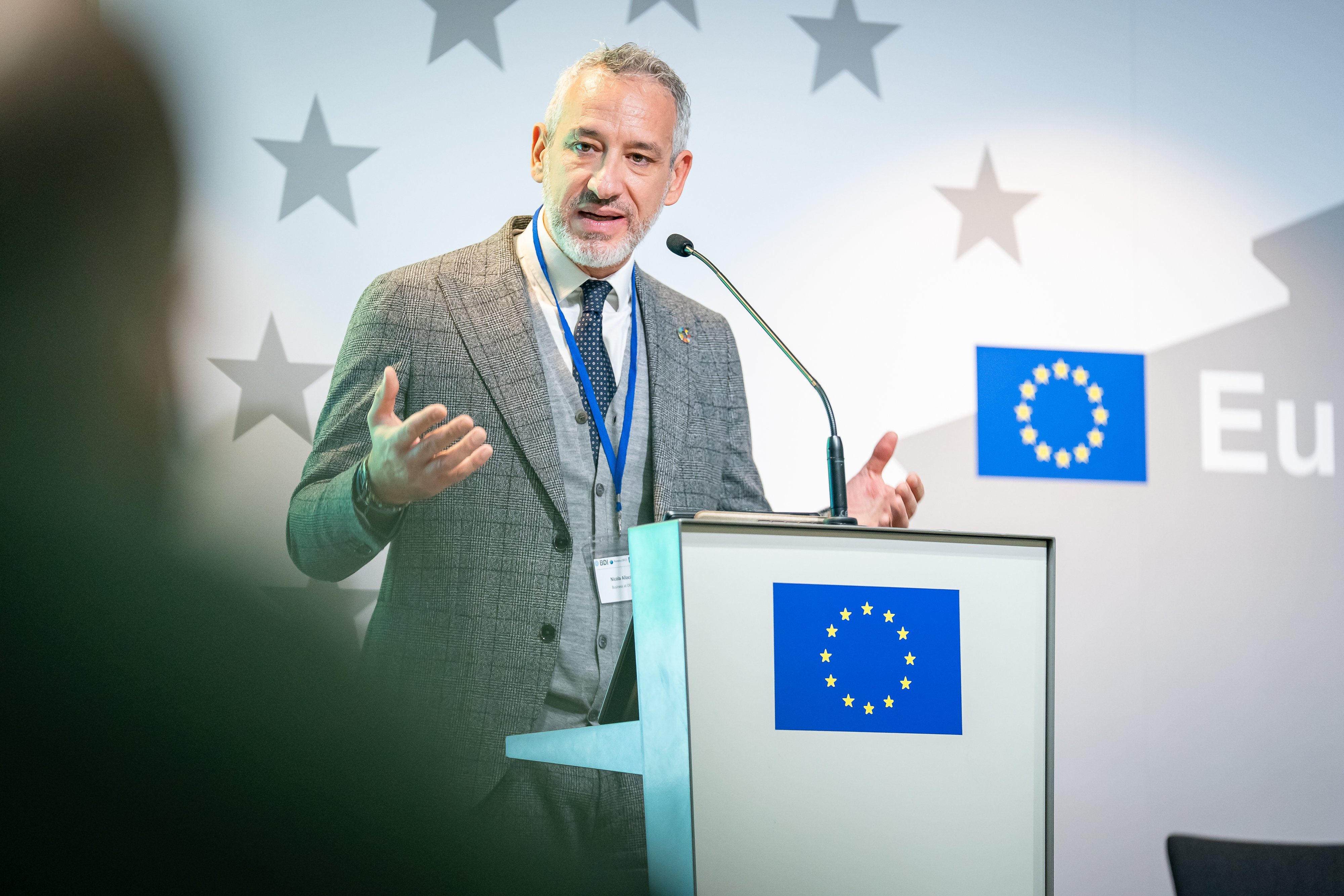
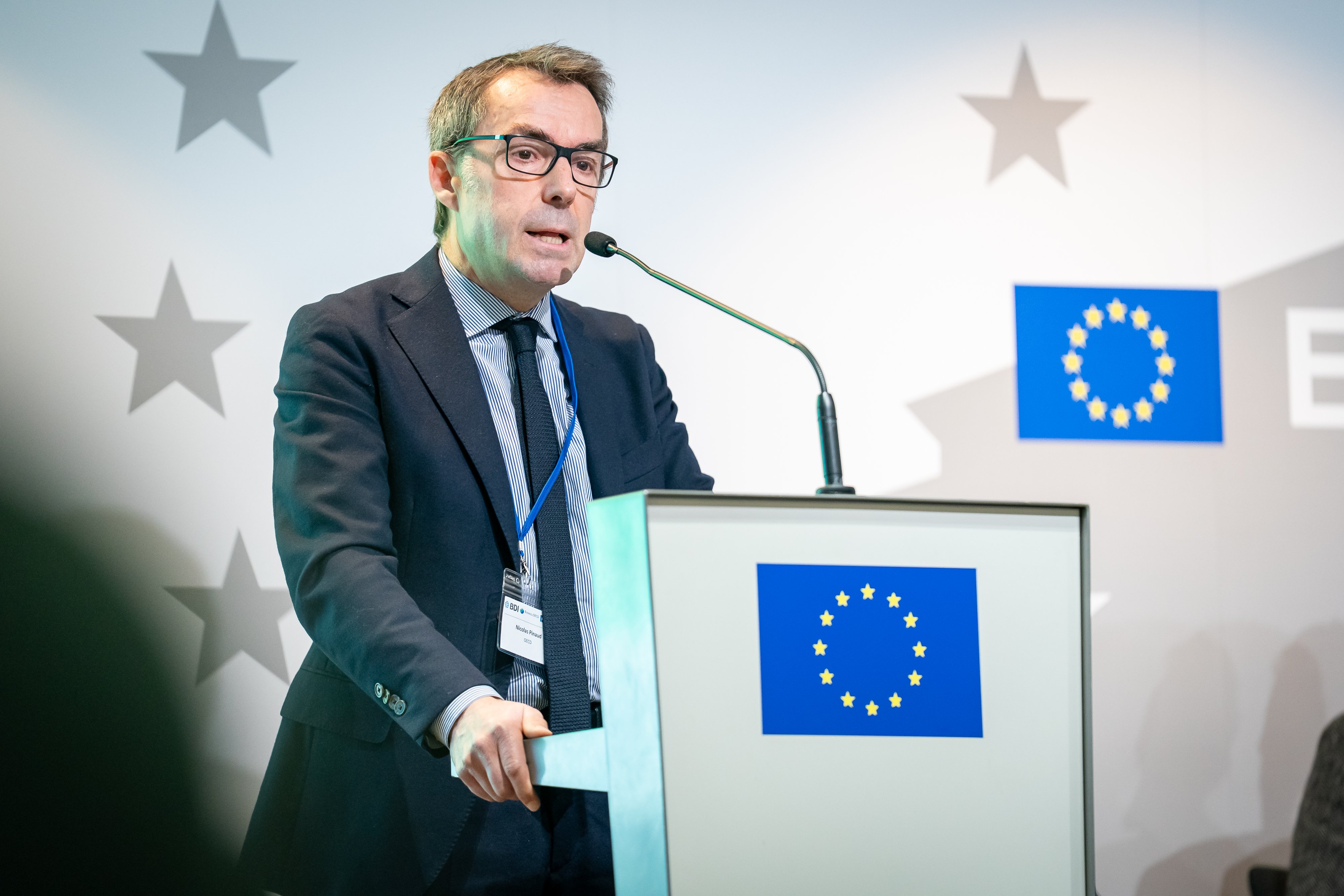
Key takeaways from the discussions include the need for a whole-of-society approach to the fight against corruption, with a strong “tone from the top” regarding integrity from both government leadership and leaders within businesses. There was also agreement that data-driven approaches to compliance and the use of digital tools in anti-corruption measures can be effective and transformative, while acknowledging use of technology, including AI, can open up new pathways for corruption. Speakers also highlighted the need for regulation that is smarter, simplified, and proportionate, without compromising measures that protect against corruption. Business at OECD looks forward to continuing to elevate the business perspective in the indispensable conversation around integrity and anti-corruption.