About Us
Discover how we advance the business voice at the OECD through a clear institutional mandate, robust governance, and a diverse global network.

About Us
About Us
Discover how we advance the business voice at the OECD through a clear institutional mandate, robust governance, and a diverse global network.
The OECD
The OECD
Explore how the OECD shapes market-based economies through its standards, recommendations and analysis that matter to the private sector.
About the OECD
Explore the OECD’s role and unique features
Why the OECD Matters
Find out how the OECD impacts business
Learn more about the OECD
See morePolicy Areas
Policy Areas
Explore our policy recommendations to the OECD and governments to foster economic growth, sustainable development, and societal prosperity.
Competitiveness and Growth
Competition, Economy, Entrepreneurs, Finance, Governance, Regulation, SMEs
Emerging Economies
Caribbean, China, Development, Latin America, Southeast Asia
Food, Health, Well-Being
Agriculture, Food, Health, Tourism
Green Growth
Biotechnology, Chemicals, Environment, Energy, Nanotechnology
Innovation and Digital
Consumer Policy, Digital, Innovation, Technology
Open Markets
Export Credits, Illicit Trade, Investment, Trade
Responsible Business
Anti-Corruption, Corporate Governance, Integrity, Responsible Business Conduct
Skills and Employment
Education, Employment, Labour, Private Pensions, Social Affairs
Tax and Fiscal Affairs
Base Erosion and Profit Shifting, Pillar One, Pillar Two, VAT, Transfer Pricing, Compliance, Digital Tax
Advocacy
Advocacy
Explore how we bring business priorities to the table in our engagement with Governments, the OECD, and the G7, and the G20.
Engagement with Ministers
How we engage with Government Ministers
Consultation with the OECD's Council
How we advise the OECD's Leadership and Ambassadors
Role in the OECD's Bodies
How we contribute to the OECD's Committees and Working Parties
Advice to the G7 and G20
How we support the B7 and B20
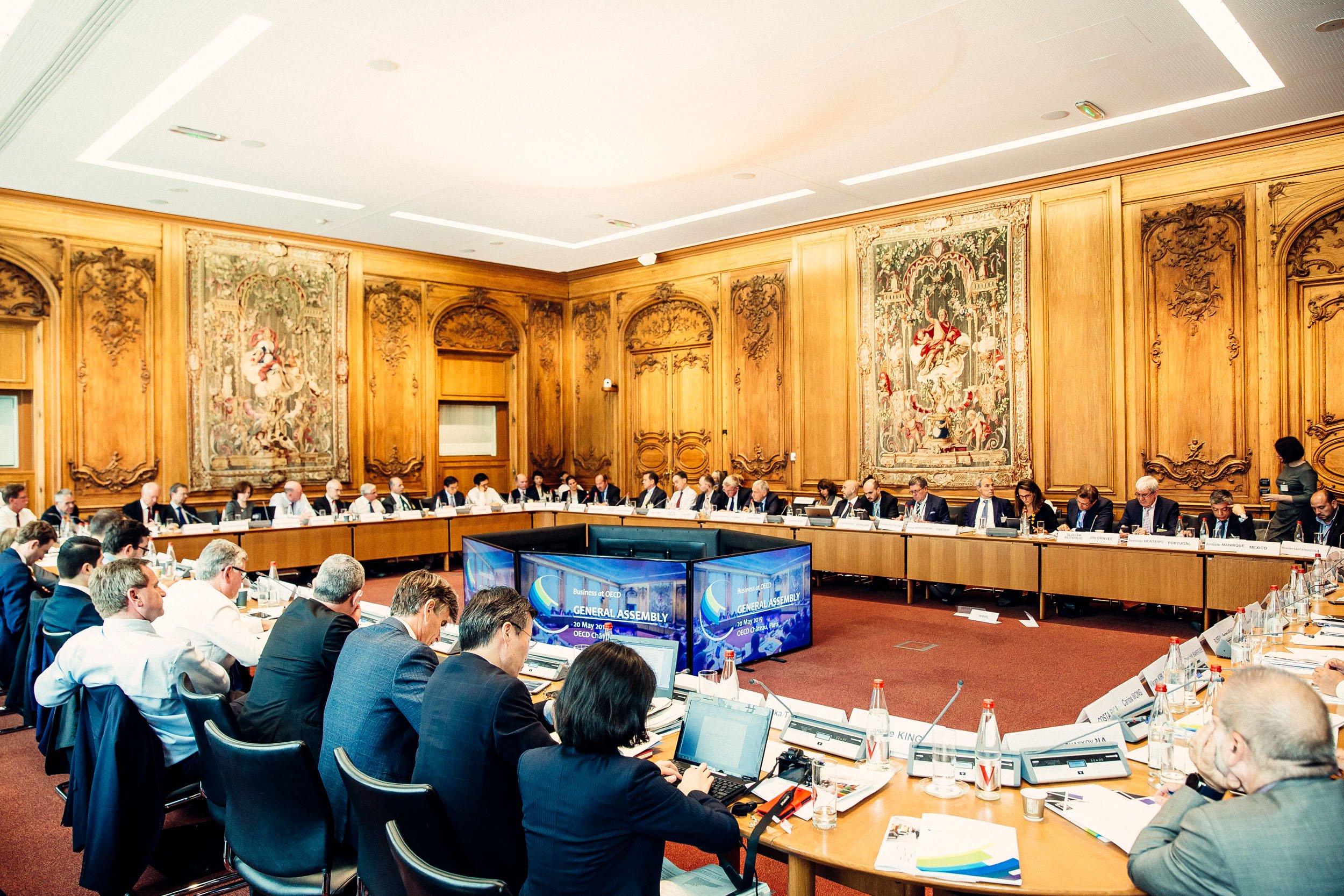
Stay tuned on our upcoming advocacy through our major events programme
Register hereNewsroom
Need to contact our communications department?
For interview and comment requests, send an e-mail to our Communications Manager, Max Jablonowski, jablonowski@biac.org.
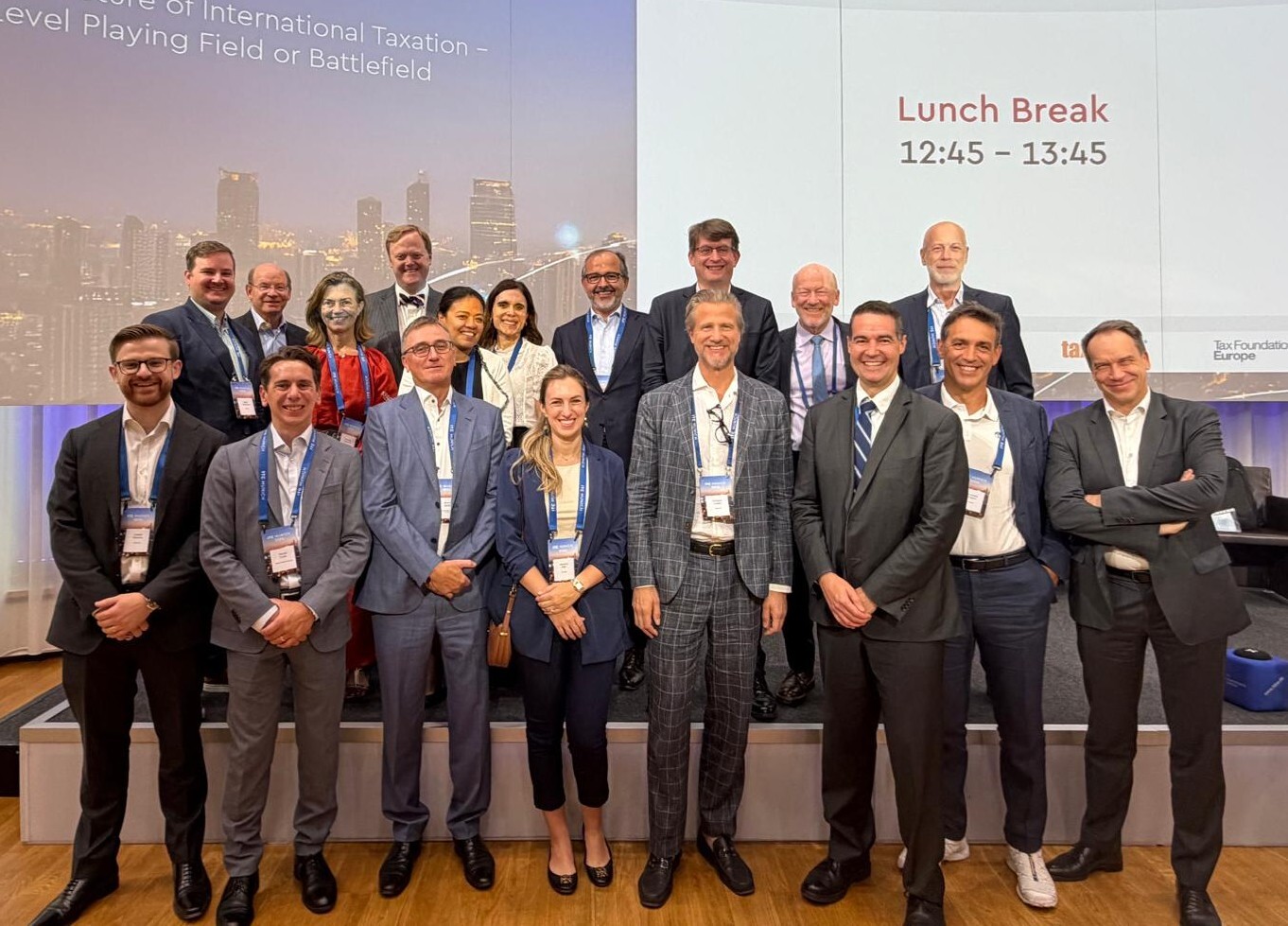
On 8-10 July, Business at OECD played a key role at the International Tax Conference (ITC) in Munich, Germany, which we co-organised with BusinessEurope and the International Chamber of Commerce. Under the theme "The Future of International Taxation – Level Playing Field or Battlefield," the event brought together leading policymakers, business leaders, and tax experts to explore what a true "level playing field" means in a global economy facing geopolitical uncertainty, slowing growth, and increasing tax complexity. Our Business at OECD Tax Committee Co-Chairs, Siemens' Christian Kaeser and Google's Daniel Smith, delivered opening speeches alongside the OECD’s Centre for Tax Policy Director Manal Corwin, highlighting that effective international tax cooperation must balance governments' revenue objectives with businesses' need for long-term certainty, simplicity, and predictability. Throughout the conference, our Business at OECD Tax Committee Vice-Chairs ZF Group’s Werner Stuffer, Air Liquide’s Thomas Quatrevalet, Repsol’s Germán Miñano Fernández, and Holcim’s Gareth Lewis joined discussions alongside senior policymakers, including Rebecca Burch of the U.S. Treasury and Benjamin Angel of the European Commission.
Discussions focused on several key priorities for business: simplifying Pillar Two compliance based on lessons learned from the first year of implementation; advancing the EU Simplification Agenda, including Anti-Tax Avoidance Directive, Directive on Administrative Cooperation, and Country-by-Country Reporting requirements; modernising tax frameworks for cross-border mobile working; leveraging Tax Administration 3.0, artificial intelligence, and Rules as Code to reduce compliance burdens; and reassessing approaches to the taxation of the digital economy through a careful evaluation of existing challenges and solutions before introducing new standards. As governments continue to shape the future of international taxation, participants underscored the importance of tax certainty, simplification, and effective international cooperation. The conference reinforced the OECD's central role in facilitating global tax dialogue, while Business at OECD remains committed to advocating for stable, predictable, and administrable tax rules that prevent double taxation, support investment, and foster economic growth.